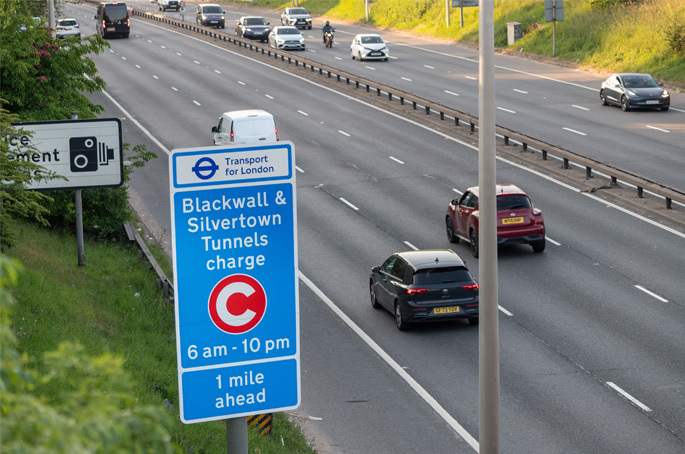
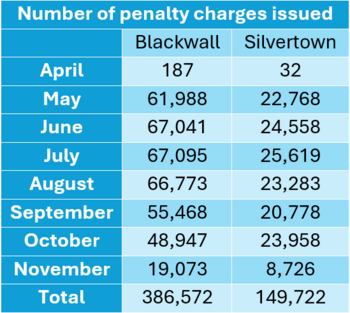
Transport for London (TfL) has issued penalty charges to around 25% of all vehicles using the Silvertown or Blackwall Tunnels, raking in around £40m in the first eight months since the launch of new crossing tolls last spring, Highways can reveal.
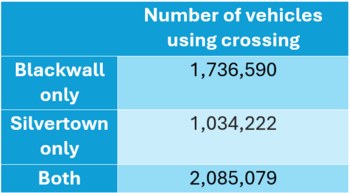
Information from FOI requests revealed that charges were issued to 25.7% (630,184) of the total number of vehicles that used either crossing (2,085,079) between the launch of Silvertown Tunnel in April - when tolls were introduced to both the new crossing and Blackwall - and 17 November 2025.
With fines costing £180 (reduced to £90 if paid within 14 days), TfL confirmed it has collected roughly £48m in that time.
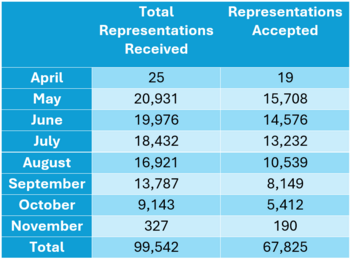
The capital's transport authority accepted 68.1% of all appeals that were submitted, meaning that it owes at least £6m in refunds. Only 7% (£481,963) of this has been refunded so far to the 67,825 appeals that were accepted.
For comparison, the number of drivers using the Dartford Crossing – a similar crossing further down the Thames – that were issued penalty charges during a similar period (April-October 2025) was only 4.8%.
When approached for comment, a spokesperson for TfL said: ‘The Silvertown Tunnel, supported by user charges, is already reducing congestion around the Blackwall Tunnel, improving journey times, and supporting thousands of Londoners to cross the river using public transport such as the free bus services that the tunnel facilitates. The vast majority of drivers are already complying with the new charges, following a comprehensive customer information campaign across multiple channels to raise awareness of the charges and options – such as Autopay – that are available to users, complemented by the clear road signage on the network itself.
‘In December 2025, TfL saw around 90% of drivers who were liable for the Tunnel User Charge pay, which is similar to the rate for the Congestion Charging scheme that has been in place for over 20 years. The income from these charges and any enforcement activity is used for the operation, maintenance, and repayment costs for the tunnels, with any surplus reinvested back into the wider public transport network.'